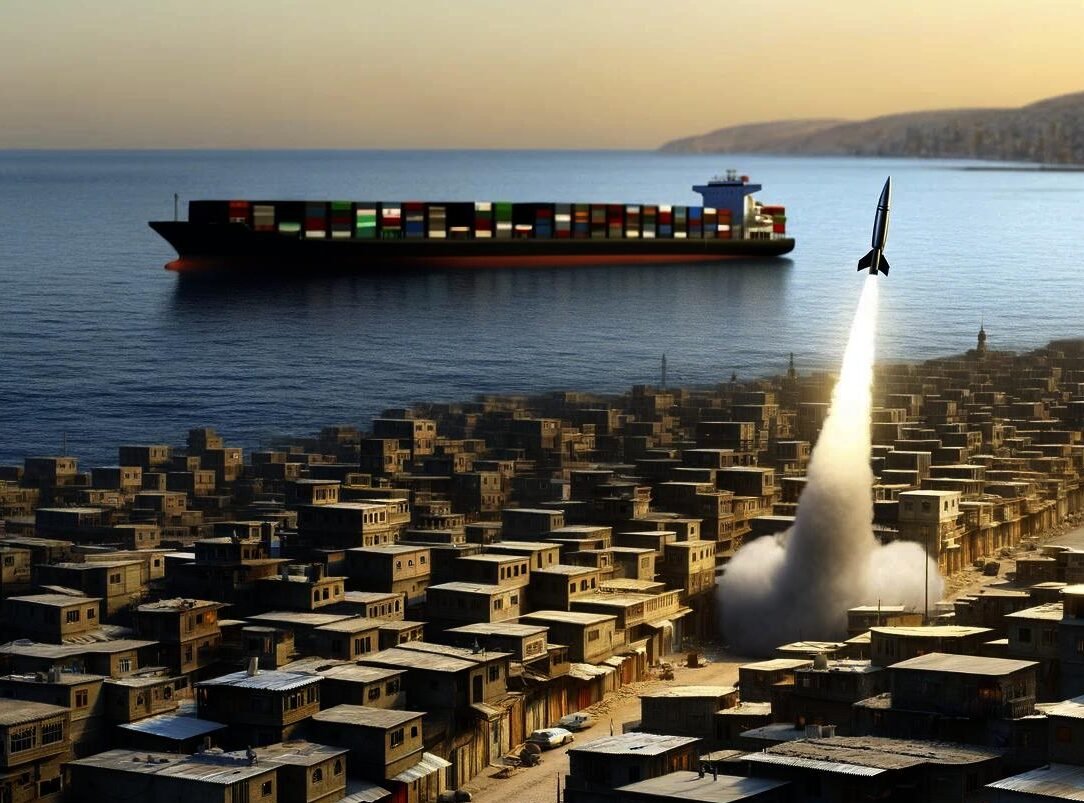
In this article, we delve into the economic impact of Houthi rebel attacks on shipping in the Red Sea, particularly focusing on the increased fuel costs incurred when maritime vessels are forced to reroute. Through a detailed examination of a container ship and an oil tanker, we quantify the additional fuel consumption and costs associated with avoiding the high-risk areas by taking alternative routes around the Cape of Good Hope instead of the usual passage through the Suez Canal.
It’s important to note that exact figures can vary widely depending on the size of the ship, the type of cargo, the extent of the detour, and market conditions. Here’s a breakdown of potential costs based on available data and industry averages:
Rerouting Costs
- Fuel Consumption: The additional distance covered when rerouting can significantly increase fuel costs. For example, rerouting from the Suez Canal to the Cape of Good Hope can add approximately 3,500 nautical miles. If a large container ship consumes about 150 tons of fuel per day, with the price of heavy fuel oil being around $600 per ton, the extra fuel cost alone can exceed $3 million for the added journey.
- Operational Costs: Additional wages for the crew, wear and tear on the ship, and delayed delivery fees can add to the rerouting costs. If the delay extends the voyage by two weeks, and the daily operational cost of a ship is around $20,000, this would result in an additional $280,000 in operational expenses.
Security and Training Costs
- Security Personnel: Hiring armed security teams can cost between $40,000 to $50,000 per transit. This cost includes the personnel’s wages, equipment, and insurance.
- Training Costs: Training crew members in security protocols and emergency response can cost approximately $2,000 to $4,000 per crew member. For a vessel with a crew of 20, this could total up to $80,000.
Insurance Premiums
- War Risk Insurance: Ships transiting high-risk areas like the Red Sea may incur an additional ‘war risk’ premium. This premium can range from 0.025% to 0.05% of the ship’s value. For a vessel valued at $100 million, the war risk premium for a single journey could be between $25,000 and $50,000.
- Kidnap and Ransom Insurance: This insurance can vary significantly, but premiums can range from $30,000 to $100,000 per transit depending on the risk level and the value of the ship and cargo.
Market Impact
- Oil Price Fluctuations: Disruptions in the Red Sea can impact global oil prices. Even a $1 increase in oil prices due to supply concerns can add millions of dollars in costs across the global economy, affecting everything from transportation to production costs.
Geopolitical and Long-Term Costs
- Investment in Regional Security: The long-term costs of securing the Red Sea against pirate attacks also include international naval patrols and regional security initiatives, which can amount to hundreds of millions of dollars annually.
- Impact on Global Trade: Delays and increased shipping costs can lead to higher prices for goods and commodities worldwide, impacting global trade volumes and economic growth.
Rerouting Costs Deep Dive.
Example of a Container Ship
Standard Route Through the Suez Canal:
- Route Distance: 10,000 nautical miles.
- Fuel Consumption: 150 metric tons of fuel per day.
- Fuel Price: $600 per metric ton.
- Journey Duration: 21 days (10,000 nautical miles at 20 knots).
- Total Fuel Consumption: 21 days * 150 metric tons/day = 3,150 metric tons.
- Total Fuel Cost: 3,150 metric tons * $600/metric ton = $1,890,000.
Rerouted Journey Around the Cape of Good Hope:
- Additional Distance: 3,500 nautical miles, total 13,500 nautical miles.
- Extended Journey Duration: 28 days.
- Total Fuel Consumption: 28 days * 150 metric tons/day = 4,200 metric tons.
- Total Fuel Cost: 4,200 metric tons * $600/metric ton = $2,520,000.
Cost Comparison:
- Additional Fuel Consumption: 4,200 metric tons – 3,150 metric tons = 1,050 metric tons.
- Additional Fuel Cost: 1,050 metric tons * $600/metric ton = $630,000.
Example of an Oil Tanker
Standard Route Through the Suez Canal:
- Fuel Consumption: 100 metric tons of fuel per day.
- Total Fuel Consumption for Journey: 21 days * 100 metric tons/day = 2,100 metric tons.
- Total Fuel Cost: 2,100 metric tons * $600/metric ton = $1,260,000.
Rerouted Journey Around the Cape of Good Hope:
- Total Fuel Consumption: 28 days * 100 metric tons/day = 2,800 metric tons.
- Total Fuel Cost: 2,800 metric tons * $600/metric ton = $1,680,000.
Cost Comparison for the Oil Tanker:
- Additional Fuel Consumption: 2,800 metric tons – 2,100 metric tons = 700 metric tons.
- Additional Fuel Cost: 700 metric tons * $600/metric ton = $420,000.
These calculations should provide a clearer understanding of the additional costs incurred due to increased fuel consumption when maritime vessels are forced to reroute due to security concerns in the Red Sea.